
Recently, there was news that WeTrade Group’s third-quarter financial statements weren’t signed and released by the management team. There are quite a few discrepancies, most of which aren’t too significant, in my opinion. However, based on WSJ, the company filed for bankruptcy earlier this month, so these numbers matter.
By the way, I got confused with the top results when I googled this company. WeTrade Group is a SaaS technology service provider. If you’re going to look into it, the NASDAQ ticker is WETG.
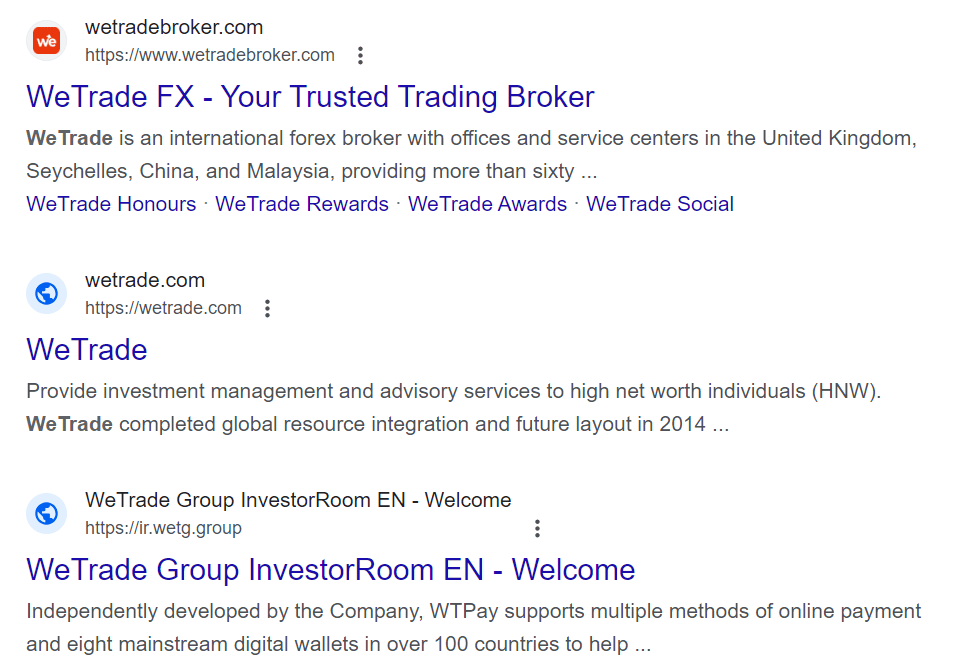
But WeTrade made me want to look into other instances where seemingly official numbers are actually incorrect.
Economic Indicators
Rather than stating that indicators are wrong, indicators are often later revised. And these revisions fly under the radar.
Markets don’t tend to react to revisions and especially to revisions like we’ve just had to GDP because your average trader or investor is interested in what’s the latest data, not what happened two years ago.
Paul Donovan, chief economist of UBS Global Wealth Management.
I feel like many people read financial numbers like they are guaranteed to be accurate. But predictions and estimates are often changed after the fact. And also, the data used to generate those numbers are not taken too seriously. They come from surveys that companies may not participate in, for example.
Status Quo
After all, a company report is created by a large group of people. And we humans have a tendency to resist rocking the boat. The keyword for management is often “CONSISTENCY” which may lead to increased incorrect reports.
Even when you know a procedure is inefficient, you often go down that same path again. Why? Because the alternative may lead to even worse consequences.